
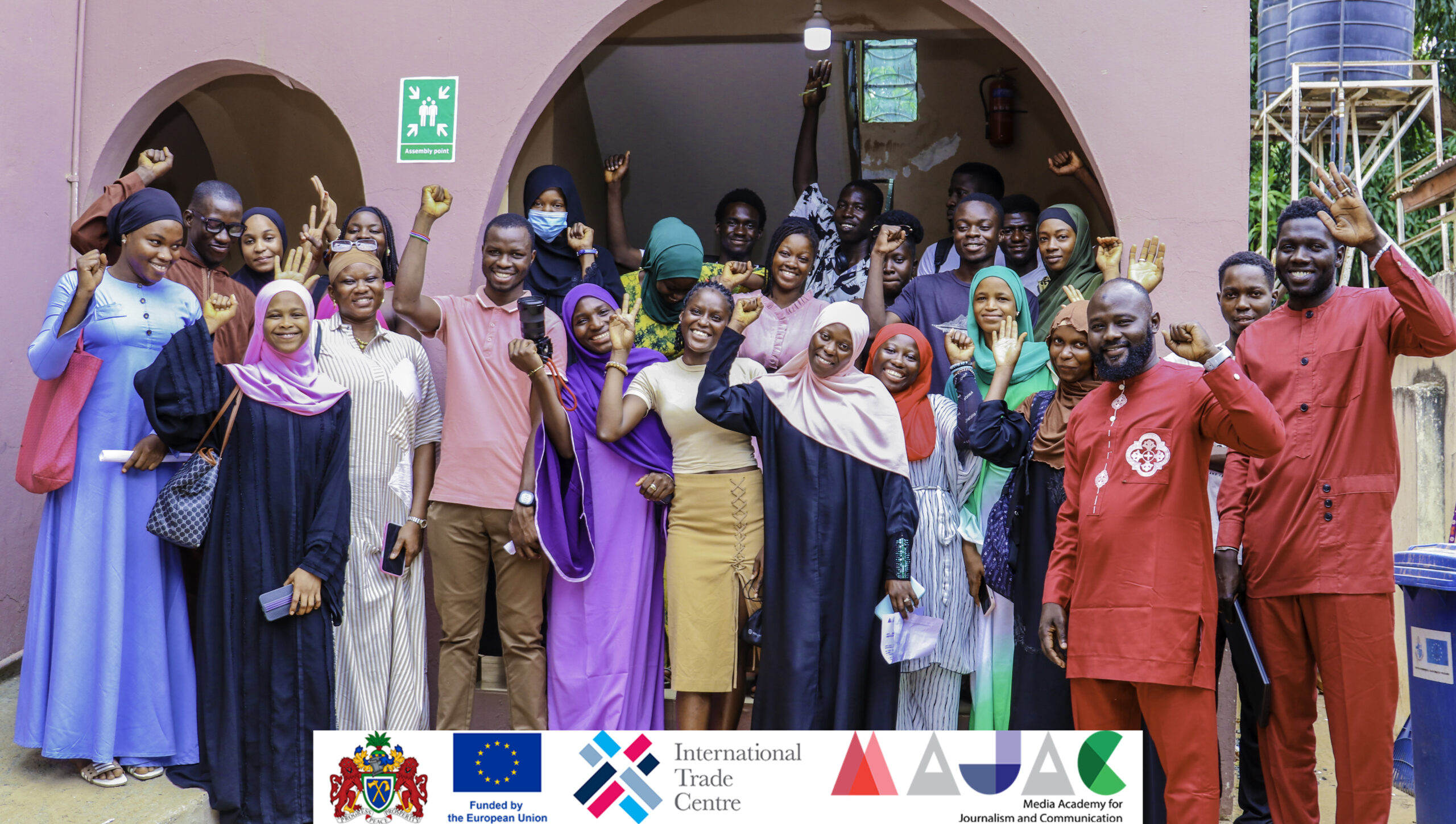
MAJAC WELCOMES NEW DIPLOMA IN FILM AND PHOTOGRAPHY STUDENTS WITH STRONG CALL FOR COMMITMENT AND EXCELLENCE
By Lamin B Barra
The Media Academy for Journalism and Communication (MAJaC) officially welcomed a new cohort of students enrolled in its Diploma in Film and Photography programme.
The programme funded by the European Union through the European Union Youth Empowerment Project – Tourism and Creative Industries, implemented by the International Trade Centre under the leadership of Ministry of Tourism, Arts and Culture and in partnership with Ministry of Trade, Industry, Regional Integration and Employment and MAJaC, brings together 25 successful applicants selected from a highly competitive pool of 564 applicants. It aims to increase the competitiveness, inclusiveness and sustainability of The Gambia’s tourism and creative industries, focusing on women and youth.
Representing the International Trade Centre (ITC), Assan Ndimballan congratulated the students on securing their places and reminded them that they had earned a rare opportunity through a rigorous selection process.

Representing the International Trade Centre (ITC), Assan Ndimballan
“This was a highly competitive programme, and we expect a high level of commitment from every participant,” he said.
Ndimballan explained that the orientation was intended to help students understand the expectations of the programme before classes officially begin. He stressed that attendance, punctuality, discipline, and active participation would be closely monitored throughout the nine-month training.
“As part of the programme, we will regularly monitor your progress. Monthly reports will be submitted, covering attendance, punctuality, participation, and your overall commitment. We want every participant to benefit fully from this opportunity,” he said.
He encouraged students to honestly assess their ability to commit to the programme, noting that a waiting list of qualified applicants was ready to fill any vacant places should participants decide they could not meet the programme’s demands.
Ndimballan also highlighted the growing demand for communication professionals in The Gambia, noting that development projects increasingly require skilled communicators to tell their stories and engage communities.
“You are in the right place, pursuing the right programme at the right time. Communication and media skills are highly marketable, and MAJaC provides an excellent environment to develop those competencies,” he added.
The Director of Training at MAJaC, James Badjie, reinforced the importance of commitment by outlining the academy’s practical teaching philosophy and the rigorous nature of the Diploma in Film and Photography programme.
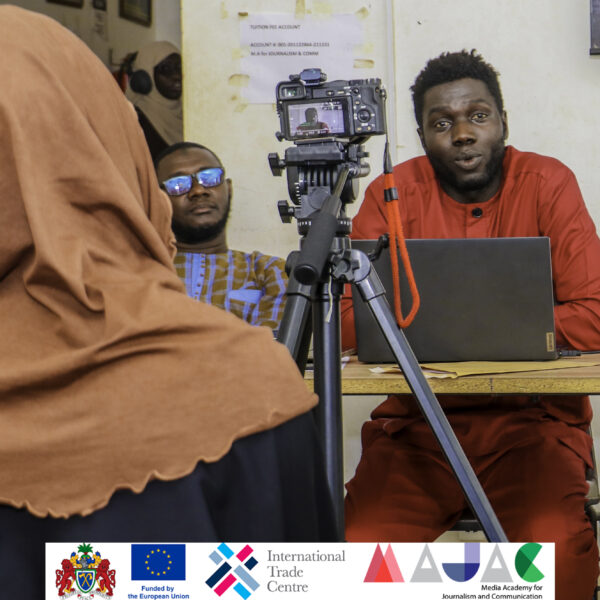
The Director of Training at MAJaC, James Badjie
He revealed that only 25 applicants, approximately 4.4 percent of the 564 people who applied, were admitted after a competitive selection process that considered financial need, motivation, and commitment.
“We are not interested in producing graduates with empty certificates. We want graduates who possess the practical skills that their qualifications represent,” Badjie said.
He explained that the programme consists of six months of intensive classroom instruction followed by three months of industrial attachment, where students will apply the knowledge and technical skills acquired during their training.
“Our students must be prepared before they begin their attachments. We cannot send someone into a professional environment who cannot perform the basic functions expected of a film and photography practitioner,” he said.
Badjie informed students that learning at MAJaC would involve practical assignments, presentations, fieldwork, group projects, and continuous assessment, with every participant expected to contribute individually, even during group activities.
He encouraged students to embrace mistakes as part of the learning process and called for a respectful and collaborative classroom environment free from bullying or ridicule.
“People learn by making mistakes. We want an environment where everyone feels comfortable asking questions, experimenting, and learning from one another,” he said.
The Director also reminded students that punctuality, assignment deadlines, and classroom discipline would be strictly enforced. He cautioned against unnecessary use of mobile phones during lessons and urged students to prioritise their studies over avoidable social engagements.
As beneficiaries of a fully funded scholarship, including transport support, students were encouraged to make the most of the opportunity by demonstrating professionalism, consistency, and dedication throughout the programme.
The orientation also featured remarks from the new students, who expressed gratitude for the opportunity and pledged to fully commit to the programme.
Speaking on behalf of the new cohort, Ida Gaye described her selection as a privilege and a dream come true.
“It is a great honour to have been selected from more than 500 applicants. I have always wanted to study Film and Photography, and being awarded a fully funded scholarship means a great deal to me. I am committed to taking the programme seriously, attending classes consistently, and making the most of every learning opportunity,” she said.
Gaye thanked the European Union, the International Trade Centre, MAJaC, and all programme partners for investing in the education and future of young Gambians, describing the scholarship as a life-changing opportunity.
Another beneficiary, Lenrie Peters Mendy, said he was grateful to be among the few selected for the programme and looked forward to gaining practical skills that would enable him to contribute meaningfully to national development.
“I believe MAJaC is an excellent institution, and I am confident that the knowledge and practical skills I gain here will help me contribute to youth development in my community and to the development of The Gambia,” he said.
Mendy also expressed sincere appreciation to the sponsors, noting that the scholarship had made quality education accessible to young people who might otherwise have been unable to afford it.
The orientation concluded with a renewed commitment from both organisers and students to ensure the success of the nine-month programme, which is designed to equip participants with industry-ready skills in film and photography through intensive classroom instruction and practical workplace attachment.